
Summer Heat Safety for Dogs in Victoria, BC
By Happy Homes Team - eXp Realty - Victoria, BC Real Estate Team
Summer Heat Safety for Dogs in Victoria, BC:
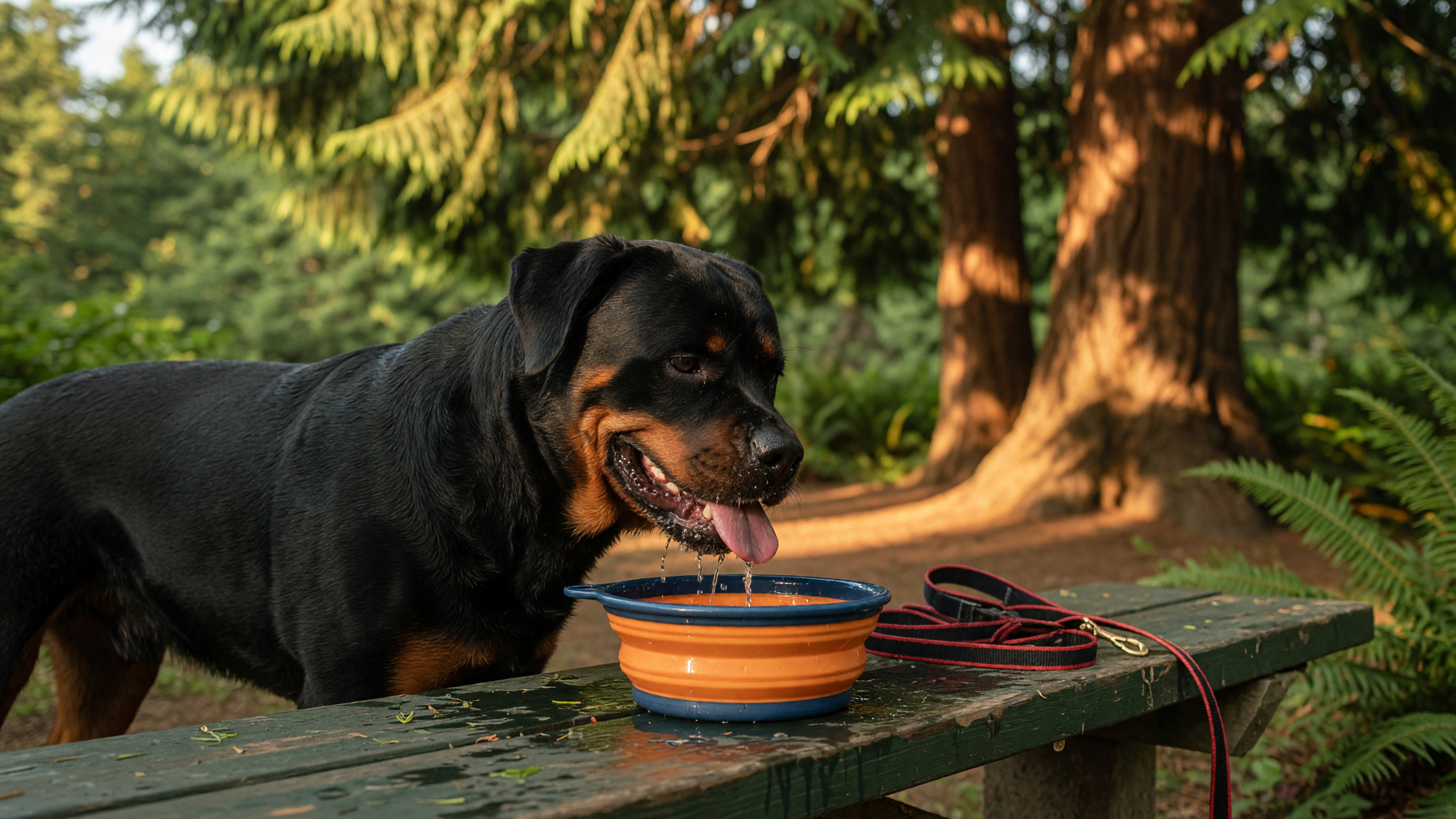
Ziggy, our 6-year-old Rottweiler, has thick black fur and loves nothing more than a long walk through Beacon Hill Park. On a sunny July afternoon, his body temperature can climb faster than you might expect. Heat stroke in dogs is an emergency that can turn fatal in under 15 minutes. Victoria's summer temperatures regularly reach 25°C to 30°C from late June through August, and the real danger is often invisible: pavement and asphalt surface temperatures that double or triple the air temperature. This guide covers the safest walking schedules, hydration rules, heat stroke recognition, and practical strategies for keeping your dog safe through Victoria's warmest months.
Why Victoria's Summer Heat Is Dangerous for Dogs
Victoria's mild reputation can lull dog owners into a false sense of security. The city averages 2,193 hours of sunshine per year, and summer days regularly exceed 25°C with intense direct sunlight. Dogs regulate body temperature primarily through panting and limited sweat glands on their paw pads. Brachycephalic breeds (Bulldogs, Pugs, French Bulldogs), dark-coated breeds like Rottweilers, and senior dogs with reduced cardiovascular efficiency are especially vulnerable.
The pavement problem is the most overlooked risk. When air temperature reaches 25°C, asphalt surface temperature can hit 52°C. At 30°C air temperature, pavement can exceed 62°C. At these temperatures, dog paw pads can suffer burns in under 60 seconds. A simple test: place the back of your hand on the pavement for 7 seconds. If it is uncomfortable for you, it is dangerous for your dog.
The Safest Walking Times in Summer
The single most effective heat safety strategy is timing your walks around the coolest parts of the day. In Greater Victoria during summer, these windows work best:
- Morning window (6:00 a.m. to 8:00 a.m.): The coolest and safest time. Pavement has had all night to cool down. This is the best window for longer walks and trail hikes.
- Midday danger zone (11:00 a.m. to 5:00 p.m.): Pavement temperatures peak. Avoid walks on asphalt, concrete, or exposed trails during this period. Stick to shaded forest trails or early/late windows.
- Evening window (7:00 p.m. to 9:00 p.m.): Pavement begins to cool. The Dallas Road waterfront trail and Beacon Hill Park are popular evening spots for good reason, the ocean breeze lowers ambient temperature significantly.
For walks during the danger zone, prioritize surfaces that stay cool: grass, shaded dirt trails, and natural forest paths. The Galloping Goose Trail, Cuthbert Holmes Park, and the forested sections of Mount Douglas Park offer shaded canopy cover that keeps ground temperatures 10°C to 15°C cooler than exposed pavement.
Hydration Rules Every Dog Owner Needs
A general guideline from veterinary sources is that dogs need approximately 1 ounce of water per pound of body weight each day. In summer heat, increase that amount by 50 to 100 percent. For a 100-pound Rottweiler like Ziggy, that means 100 ounces (roughly 3 litres) as a baseline, and up to 6 litres on hot days with physical activity.
Carry water on every walk. A collapsible bowl and a 1-litre bottle weigh almost nothing and can prevent an emergency. Here are practical hydration habits that work:
- Offer water every 15 to 20 minutes during walks in warm weather. Do not wait for your dog to show signs of thirst.
- Add ice cubes to the water bowl at home. Many dogs enjoy chewing ice, and it slows their intake while keeping them cool.
- Wet your dog's belly, paws, and ears with cool (not cold) water during walks. These areas have thinner skin and help dissipate heat faster.
- Know the water sources. Many dog-friendly patios in Victoria provide water bowls (Spinnakers, The Beagle Pub, and 5th Street Bar & Grill all keep bowls at the ready). Off-leash parks like Victoria West Park and Beacon Hill Park do not always have water fountains, so plan ahead.
Heat Stroke Warning Signs
Heat stroke (hyperthermia) occurs when a dog's core body temperature rises above 40°C (104°F). It is a life-threatening emergency. Recognize these warning signs and act immediately:
Heat Stroke Warning Signs
- Excessive, rapid panting that does not slow down with rest. Dogs normally pant to cool down, but heat stroke produces desperate, laboured panting.
- Thick, ropy drool that is heavier than normal. Saliva becomes viscous as the body dehydrates.
- Bright red or dark purple gums. Normal gums are pink. Bright red indicates overheating. Blue or purple indicates a critical emergency.
- Stumbling, disorientation, or collapse. If your dog stumbles or seems confused, stop immediately and begin cooling.
- Vomiting or diarrhoea, especially if it contains blood. This indicates organ distress.
What to Do If Your Dog Shows Heat Stroke Signs
Heat stroke is a veterinary emergency. Take these steps while transporting your dog to the nearest vet clinic:
- Move your dog to shade immediately. A tree, a parked car with AC running, or any shaded area.
- Apply cool (not cold) water to the neck, armpits, and groin. Ice water causes blood vessels to constrict and traps heat inside the body. Use cool water from a tap, hose, or bottled water.
- Place wet towels on the body and replace them frequently as they warm up.
- Offer small amounts of cool water to drink. Do not force your dog to drink.
- Get to a veterinary clinic immediately. Victoria has several emergency veterinary clinics, including the Central Victoria Veterinary Hospital. Call ahead so they can prepare.
Summer Safety Checklist for Victoria Dog Owners
Summer Heat Safety Checklist
- Walk before 8:00 a.m. or after 7:00 p.m. during summer months (June through September).
- Test pavement with the back of your hand for 7 seconds before every walk. If it burns, it burns your dog too.
- Carry a collapsible water bowl and at least 1 litre of water on every walk.
- Choose shaded trails over exposed pavement. The Galloping Goose, Mount Douglas forest trails, and Cuthbert Holmes Park stay 10°C to 15°C cooler than open asphalt.
- Never leave your dog in a parked car. Even with windows cracked, a car interior can reach 50°C in under 10 minutes on a 25°C day.
- Increase water intake by 50 to 100 percent on hot days. For a 100-pound dog, that means up to 6 litres daily.
- Know the heat stroke signs: excessive panting, thick drool, bright red gums, stumbling, vomiting. Act within minutes.
- Have your vet's emergency number saved in your phone. Central Victoria Veterinary Hospital and other emergency clinics operate extended hours in summer.
Best Cooler Walking Routes in Summer
Greater Victoria has several walking routes that stay significantly cooler than exposed pavement during summer. These are the spots where Ziggy and Sahara walk during the warmest months:
- Cuthbert Holmes Park (Saanich). Dense canopy cover along the Colquitz River keeps this trail cool even on the hottest days. Flat, shaded, and ideal for senior dogs.
- Mount Douglas Park forest trails (Saanich). The lower forest loop stays heavily shaded. Avoid the summit trail during midday, it is exposed at the top.
- Galloping Goose Trail (multi-municipality). The tree-lined sections through View Royal and Langford offer reliable shade. Stick to the segments with canopy cover.
- Dallas Road waterfront (Victoria). Ocean breezes keep ambient temperatures lower. Morning walks along the seawall are cooler than inland options. Remember the seasonal leash rules are in effect from June 1 to September 15.
Making Summer Work for You and Your Dog
Summer in Greater Victoria is stunning. The long daylight hours, warm evenings, and dog-friendly patios make it the best season for exploring with your pup. The key is adapting your routine to the heat. Shift your walks to the cooler hours, carry water, choose shaded routes, and learn the warning signs. A few small changes keep your dog safe and let you enjoy everything Victoria has to offer all summer long.
If you are looking for a home near shaded trails, off-leash parks, or dog-friendly patios, the Happy Homes Team at eXp Realty in Victoria, BC specializes in helping dog-owning families find the right fit. We know which neighbourhoods keep your summer walks cool and comfortable.