
Are Oak Leaves and Acorns Toxic to Dogs in Victoria This Fall?
By Anna Hakim & Perry Fanthorpe, Happy Homes Team, eXp Realty | AI Certified Agents
Yes, oak leaves and acorns are toxic to dogs. Here is what to know in Greater Victoria this fall.
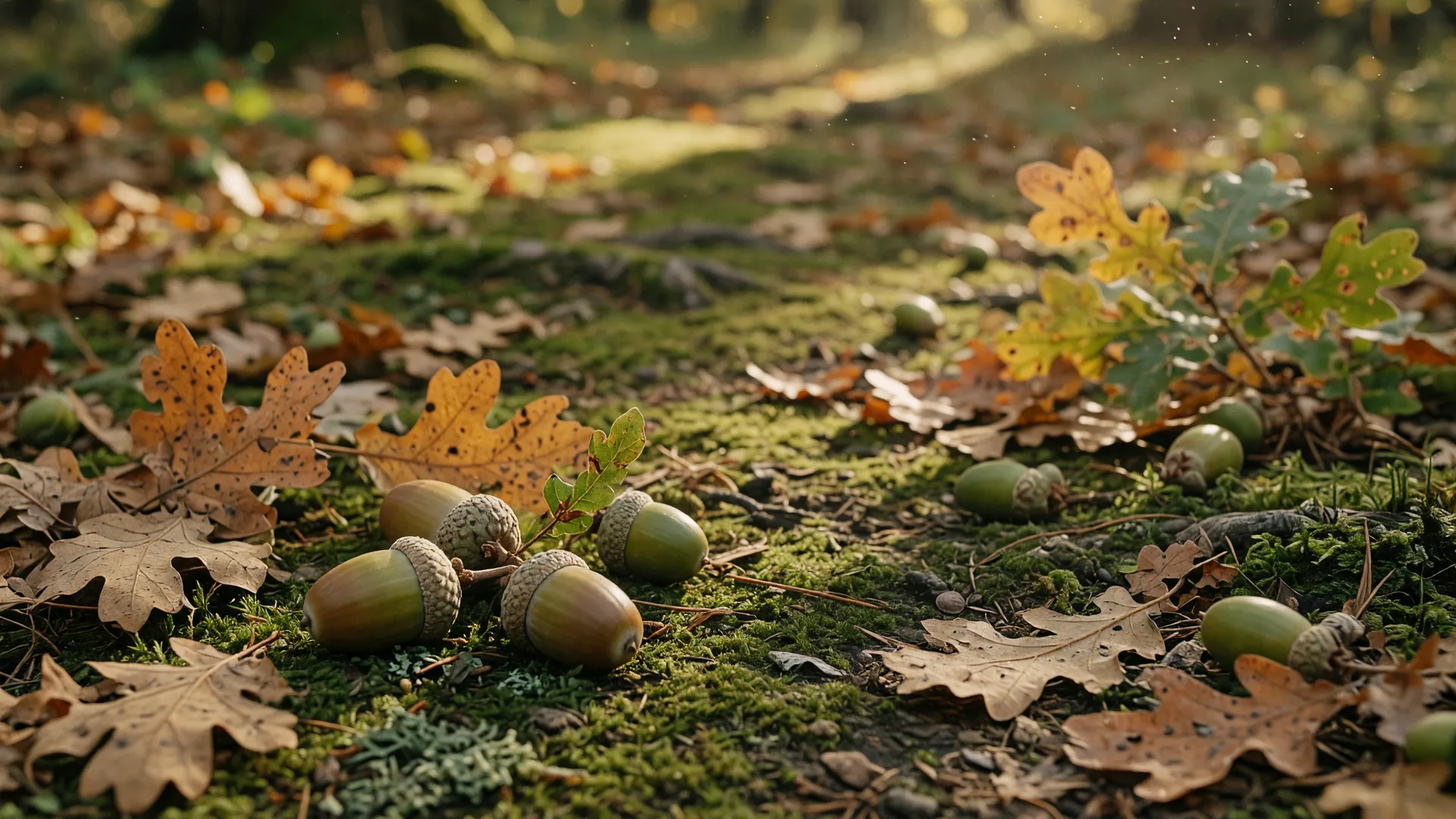
Yes, oak leaves and acorns are toxic to dogs, and fall in Greater Victoria is exactly when they are easiest to find. Acorns, buds, young leaves, and bark all contain tannins, natural compounds that irritate a dog's digestive tract and, in large enough amounts, can damage the kidneys and liver. Here in Victoria we live under Garry oaks more than most cities in Canada, so this is not a rare, exotic worry. It is a seasonal one, and it is manageable. This guide covers which oaks drop what, when the risk peaks, the symptoms that mean a vet call, and how we handle oak season at home with Ziggy and Sahara.
Why Are Acorns and Oak Leaves Dangerous for Dogs?
The active problem is tannins. Every part of an oak tree carries them, but the concentration is highest in unripe green acorns and young spring leaves. Tannins are bitter, which puts some dogs off, but plenty of dogs will happily crunch an acorn like a toy, and that is where the trouble starts.
On top of the chemical risk, acorns are the wrong shape and size for a dog's gut. A single acorn can lodge in the throat or intestine of a small dog, and shells can block or scratch the digestive tract even when the tannin dose itself is mild. So this is really two risks in one: a poisoning risk and a blockage risk, and the second one applies even to dogs that do not react to tannins at all.
When Is Acorn Season in Greater Victoria?
Garry oaks, our native Quercus garryana, drop their green acorns from early September through November, with the heaviest fall usually in October. You will see them under trees at PKOLS (Mount Douglas) in Saanich, in Uplands Park in Oak Bay, along the shore of Esquimalt Lagoon, and in countless backyards across Oak Bay, Saanich, and the Peninsula.
Oak Bay is the best place in the province to see just how serious this can get: the largest Garry oak in British Columbia grows there, on Falkland Road, with a trunk more than five metres around. A tree that size drops a lot of acorns, and the yards around it are a reminder that mature oaks and dogs can coexist, you just have to manage the season.
What Symptoms Should I Watch For?
Signs of acorn trouble usually show up within hours, though kidney problems can take a few days to surface. The first things you will notice are drooling, retching, vomiting, and diarrhea, sometimes with blood. After that you might see abdominal pain, your dog refusing food, or sudden lethargy, and in more serious cases excessive thirst and urination as the kidneys struggle.
There is no safe number of acorns that fits every dog. A single green acorn can upset a small dog's stomach or cause a blockage, while larger dogs can eat several with mild symptoms. What matters is that the amount is unpredictable and the consequences can be serious, so treat any confirmed acorn eating as a vet conversation, not a wait-and-see situation.
What Should I Do If My Dog Eats an Acorn?
Call your vet, plain and simple. Do not try to make your dog vomit unless the vet tells you to, because acorn shell fragments can do damage coming back up, and do not wait for symptoms before you phone. If you can grab a sample of what your dog ate, bring it along; it helps the vet judge the risk.
If it is after hours and symptoms are already showing, head to one of the emergency hospitals. Our guide to emergency vet care in Greater Victoria has the two 24-hour clinics and what to expect on arrival. And if you are choosing a regular vet, our guide to picking a vet clinic walks through the local options.
How Do I Manage an Oak Yard With a Dog?
Living with oaks is normal around here, and you do not need to remove a beautiful mature tree to keep a dog safe. The routine that works for us is simple: rake or pick up acorns from the lawn a few times a week through September and October, check the yard before letting the dogs out first thing in the morning, and teach a reliable leave it so a stray acorn on a walk does not turn into a race.
On neighbourhood walks, keep an eye on the ground under big oaks, especially after a windy night when whole crops come down at once. And in the garden, remember acorns are not the only plant risk on Vancouver Island; our toxic plants garden guide covers the rest of the fall hazards, from bulbs to berries.
Does This Mean I Should Avoid a House With Oak Trees?
Honestly, no. A mature oak is one of the best features a Victoria property can have: shade in summer, beauty in fall, and decades of character that nothing you can plant this year will match. As dog owners we just plan around the season, the same way you plan around slick decks in winter or muddy lawns in March. When you are house hunting, look at how the yard drains, whether the fence is escape-proof, and how close you are to a leash-optional park, and treat the oak as the bonus it is.
If you are weighing what a dog-friendly yard really needs in Greater Victoria, our neighbourhood guide breaks down the city by yard space, fencing realities, and walk access, so you can compare Oak Bay, Saanich, and the Westshore with your specific dog in mind.
The Bottom Line
Oak leaves and acorns are toxic to dogs, and acorn season in Greater Victoria runs from September through November. Watch for drooling, vomiting, and appetite loss, call your vet if your dog eats any acorn, and manage the yard for a few weeks a year. That is the whole job, and thousands of Victoria dogs, ours included, live happily under the oaks every fall.
If you are thinking about a move with your dog in mind, and an oak-filled yard or a dog-friendly neighbourhood is part of the vision, we would love to help. Book a call with the Happy Homes Team and we will walk you through the options.