
What Do I Need to Know Before Bringing a Puppy Home in Victoria, BC?
By Happy Homes Team - eXp Realty - Victoria, BC Real Estate Team
Bringing a Puppy Home in Victoria, BC:
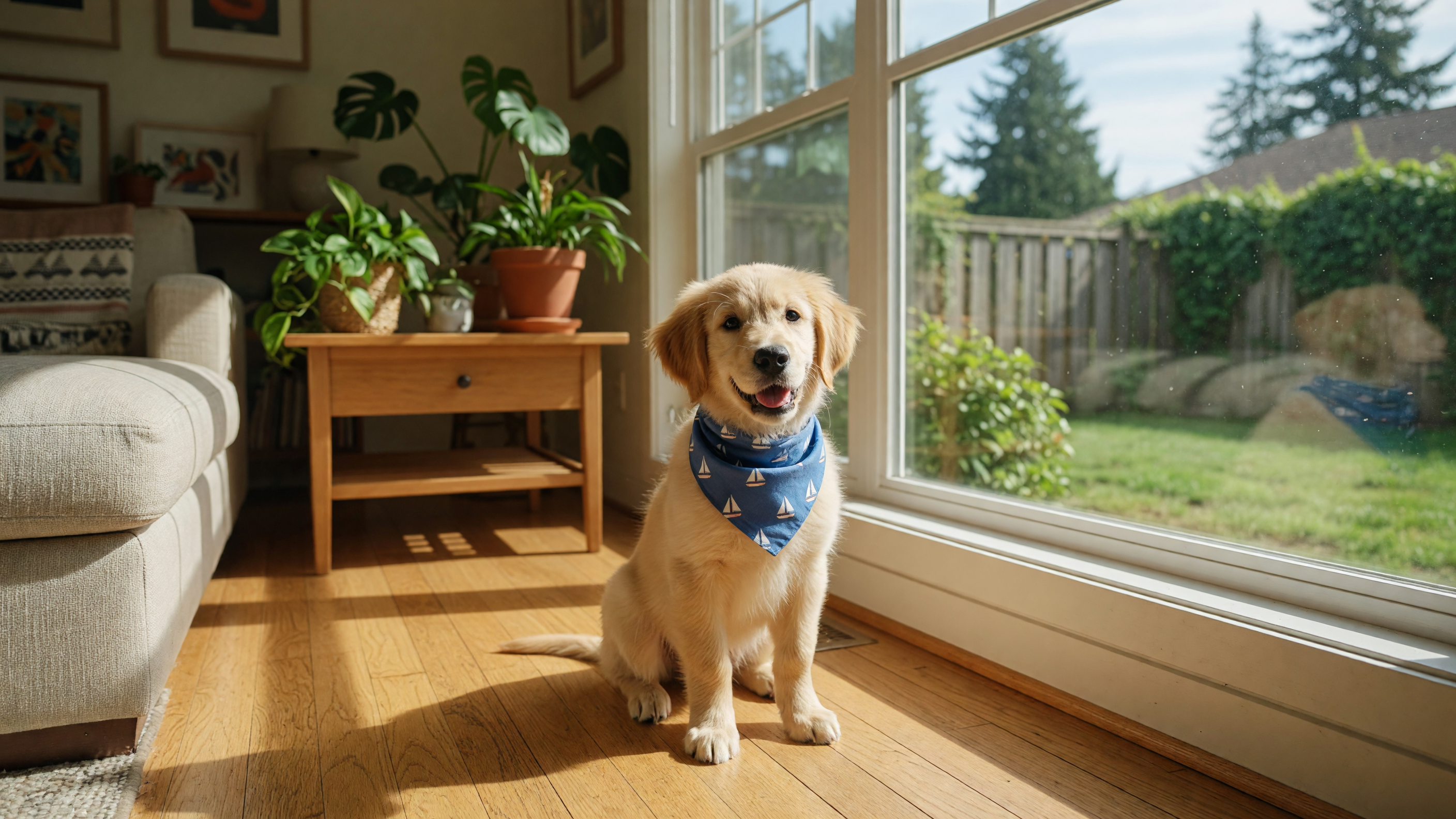
Bringing a puppy home is one of the most exciting things you can do. It is also one of the most chaotic. Between the vaccination schedule, the sleepless nights, the shoe you will never see again, and the constant question of "is this normal?", the first few months with a new puppy test your patience and your preparedness in equal measure. If you are doing this in Greater Victoria specifically, there are a few local details that matter: the vaccination timeline, the off-leash rules that restrict where your puppy can go until shots are complete, the vet clinics worth knowing about, and the neighbourhood features that make puppy ownership significantly easier.
As the team behind the Greater Victoria Dog Guide, and as dog parents to Ziggy, our 6-year-old Rottweiler who was once a very chewy, very determined puppy, and Lady Sahara, our 13-year-old Lab mix who has seen it all, we have been through the puppy phase. This guide covers everything we wish someone had told us before we brought Ziggy home: the practical, Victoria-specific details that make the difference between surviving puppyhood and actually enjoying it.
The Vaccination Timeline: When Can Your Puppy Go Where?
This is the most important thing to understand before your puppy arrives. Until your puppy is fully vaccinated, they are vulnerable to serious diseases, and Greater Victoria's popular off-leash parks, trails, and beaches are not safe for unvaccinated dogs. Parvovirus, in particular, is a real risk. It survives in soil for months, and an unvaccinated puppy who sniffs the wrong patch of ground at Beacon Hill Park can become critically ill.
The standard vaccination timeline in British Columbia:
- 6 to 8 weeks: First distemper/parvovirus (DHPP) vaccine. First Bordetella (kennel cough) vaccine.
- 10 to 12 weeks: Second DHPP booster. First leptospirosis vaccine (recommended in Victoria due to standing water and wildlife). First Bordetella booster if needed.
- 14 to 16 weeks: Final DHPP booster. Final rabies vaccine (required by BC law). Final leptospirosis booster.
- 2 weeks after final vaccines: Your puppy is considered fully protected. This is when off-leash parks, trails, and dog beaches become safe options.
That means a puppy who comes home at 8 weeks old cannot safely visit off-leash areas until they are roughly 18 to 20 weeks old. That is 10 to 12 weeks of figuring out exercise and socialization without the off-leash parks that most Victoria dog owners rely on. Plan for it.
What to Do During the Vaccination Period
Your puppy still needs exercise, socialization, and mental stimulation during those first 10 to 12 weeks. Here is what works in Greater Victoria:
- Leash walks on paved paths. Beacon Hill Park's paved pathways, the Dallas Road seawall, and the inner harbour loop are all excellent for early puppy walks. Paved surfaces carry lower disease risk than soil or grass, and these areas are flat, easy, and interesting for a young puppy.
- Puppy training classes. Several Greater Victoria trainers offer puppy socialization classes where vaccinated puppies interact in a controlled, clean environment. Ask your vet for local recommendations.
- Car rides and errand trips. Victoria's pet-friendly culture means many shops allow leashed dogs inside. Short trips to the hardware store, the coffee shop patio, or the pet supply store expose your puppy to new sights, sounds, and surfaces without the disease risk of uncontrolled outdoor areas.
- Backyard play. If you have a fenced yard, it is the safest space for a young puppy. Tug, fetch, basic training, and scent games in your own yard provide exercise and brain work without exposure risk.
Where to Find a Veterinarian in Greater Victoria
Book your puppy's first vet appointment before you bring them home. Greater Victoria has over 40 veterinary clinics across all municipalities, and the good ones book up fast, especially for new puppy wellness checks.
For day-to-day veterinary care, look for a clinic close to where you live. Every municipality in Greater Victoria has at least one veterinary clinic:
- Victoria: Multiple clinics including Central Victoria Veterinary Hospital (also offers emergency services)
- Saanich: Several clinics along the McKenzie/Blanshard corridor and in the Royal Oak area
- Langford: Growing number of clinics serving the West Shore communities
- Esquimalt: Clinics on Esquimalt Road and the周围 area
Emergency veterinary care: Know where your nearest emergency vet is before you need it. After-hours emergencies in Greater Victoria are typically handled by dedicated emergency clinics. Ask your regular vet during your first visit who they refer to for after-hours emergencies, and save that number in your phone. An emergency at 2 AM is not the time to be Googling.
Dog Licensing in Greater Victoria
Most municipalities in Greater Victoria require dogs to be licensed once they reach 4 months of age (the age at which rabies vaccination is required). The annual licence fee typically ranges from about $30 for a spayed/neutered dog to $50 for an intact dog. Licences can usually be purchased through your local municipality's website or in person at city hall or participating vet clinics.
A licence tag on your dog's collar is your best protection if they ever escape. It also means the municipality can contact you immediately if your dog is found, instead of your dog sitting in a holding facility while you file a lost-dog report.
Puppy-Proofing Your Home in Victoria
Victoria has a lot of older homes, character houses from the early 1900s through the 1970s. They are beautiful, but they come with quirks that matter when a puppy arrives:
- Fence gaps. Older fences in Victoria neighbourhoods like Fernwood, Fairfield, and James Bay often have gaps at the bottom where a determined puppy can squeeze through. Walk your entire fence line and close every gap before your puppy comes home. A 10-week-old Rottweiler can fit through a space you would not believe.
- Toxic plants. Victoria's mild climate means gardens grow year-round, and many common garden plants are toxic to dogs. Lily of the valley, foxglove, rhododendron, and azalea are all common in Victoria gardens and all poisonous to dogs. Check your yard and your neighbour's visible yard for anything your puppy might chew.
- Under-house access. Many older Victoria homes have crawl spaces or raised foundations. Ensure crawl space doors are secured. A curious puppy will find every opening in your house.
- Chemicals and cleaning products. Move cleaning supplies, antifreeze (used in vehicles during Victoria's mild but occasionally freezing winters), and garden chemicals to high shelves or locked cabinets. Antifreeze is particularly dangerous because it tastes sweet to dogs, and even a small amount can cause fatal kidney failure.
Best Neighbourhoods for New Puppy Owners
Where you live in Greater Victoria directly affects how easy the puppy phase is. A few neighbourhood features matter more than usual when you have a young dog:
- Fenced yard access. During the vaccination period, your fenced yard is the safest exercise space. Neighbourhoods with more houses that have fenced yards, such as parts of Saanich, Langford, and Colwood, give you a significant advantage during those first 10 to 12 weeks.
- Proximity to paved walking paths. Leash walks on paved surfaces are the safest exercise option for unvaccinated puppies. Neighbourhoods near Beacon Hill Park, the Dallas Road seawall, or the Galloping Goose have a built-in advantage.
- Vet clinic proximity. Puppies visit the vet frequently in their first year (3 to 4 wellness visits plus any illnesses). Living close to your vet matters more than you think.
- Quiet streets. A calm neighbourhood with low traffic makes early leash training significantly easier. Avoid busy arterials during the first months of leash training.
James Bay, Fairfield, and parts of Oak Bay offer paved-path access and relatively quiet streets. Fernwood has character and community but check your fence carefully. Langford and Colwood offer more affordable options with fenced yards. Saanich neighbourhoods near Elk Lake give you excellent trail access once your puppy is vaccinated.
The First Week Home: A Victoria-Specific Checklist
- Vet appointment booked. Schedule the first wellness check within the first 3 to 5 days. Your vet will set the vaccination schedule and check for parasites, which are common in puppies from breeders and rescues.
- Fence line walked and secured. Every gap closed. Every weak board reinforced. A puppy escape in the first week is a preventable crisis.
- Toxic plants identified and removed or fenced off. Check your yard, your walk routes, and your neighbours' front yards where your puppy might nibble.
- Crate or safe space set up. Choose a room or area where your puppy can be contained safely when unsupervised. Puppies chew electrical cords, eat socks, and discover every hazard in your house with alarming speed.
- Food and water stations placed. Choose a location with easy-to-clean flooring. Puppies spill water and drop food constantly. Kitchen tile or a vinyl mat underneath makes cleanup manageable.
- First walk route chosen. A flat, paved, low-traffic route near your home. The Dallas Road seawall, Beacon Hill Park paths, or quiet residential streets. Keep the first walks short: 10 to 15 minutes is plenty for a young puppy.
- Municipal dog licence application submitted. Required by 4 months of age in most Greater Victoria municipalities. Do it early so you do not forget.
- Emergency vet number saved in your phone. Ask your regular vet who they recommend for after-hours emergencies, and save that number before you need it.
The Bigger Picture: Where Will Your Puppy Grow Up?
The home you choose for your puppy is the home they will spend their entire life in. The backyard where they learn to fetch. The neighbourhood where they walk every morning. The proximity to the trails and parks that keep them healthy and happy for the next 10 to 15 years. These are not small decisions, and they are exactly the kind of thing we help our clients think through.
If you are looking for a home in Greater Victoria that works for your current dog, your future puppy, or your family's evolving needs, reach out to the Happy Homes Team. We know which neighbourhoods have the best fenced yards, which streets are quietest for puppy walks, and which areas put you closest to the trails and dog parks that matter. Finding a home that fits your dog's life is what we do.
For more guides, check out our complete guide to dog-friendly living in Greater Victoria, our guide to dog-friendly condo and townhome living, and our overview of dog-friendly neighbourhoods across Greater Victoria.
Ziggy was a nightmare puppy who chewed through two leashes, a couch cushion, and one wall corner before he turned 6 months old. He is now a well-behaved, trail-loving, patio-sitting expert. It gets better. Hang in there, Victoria.