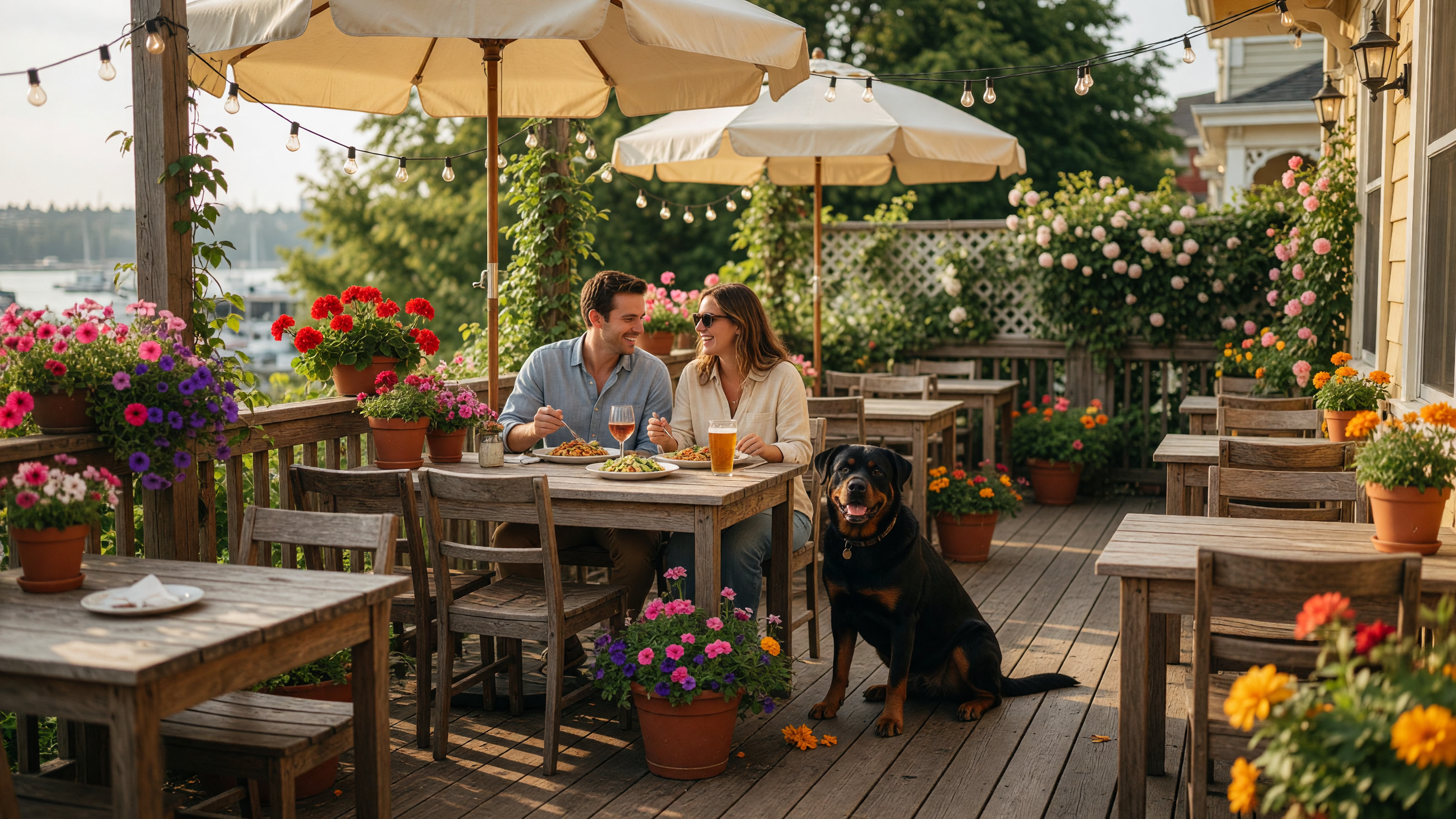
The ultimate guide for
dog lovers in
Greater Victoria.
53 curated patios, 15+ off-leash parks across 7 municipalities, 7 dog-friendly beaches (4 year-round, 3 seasonal), 12 neighbourhood profiles, over 100 km of dog-suitable trails, and every local municipal bylaw you need to know — from the $100–$150 Saanich retractable leash fine to the exact June 1–September 15 beach restriction window. Deeply researched and curated by the Happy Homes Team - eXp Realty - Victoria, BC Real Estate Team, this is your premium handbook to navigating the capital region side-by-side with your pup.
 Curated with love by Perry, Anna, Ziggy & Lady Sahara
 Which dog-friendly spot fits your pup today?
Find your pup's next high-energy seaside adventure, secure fenced playground, or cozy, shaded woodland path. Select their current mood below for hand-verified recommendations.
Chief Canines Recommended Spots:
Dallas Road Off-Leash Beach
Victoria's premier seaside run, featuring long pebble shores and stunning Olympic Mountain views.
Parker Park / Cordova Bay
Calm, shallow waters in Saanich. This hidden gem is incredibly safe and highly accessible for senior dogs.
Sandcut Beach
A scenic coastline walk near Metchosin, featuring beautiful sandstone cliffs and gorgeous natural waterfalls.
Dog-Friendly BBQ &
Canada Day Safety
Don't let a joyful backyard gathering turn into an emergency. Read the real story of our Chief Canine Ziggy's "Great Corn Cob Caper" and grab the exact safety rules we now enforce at every summer barbecue in Saanich and Greater Victoria.
AI Summary • Summer Risk Checklist
- • No Corn Cobs: Extremely fibrous and entirely indigestible; acts as a cork in the intestines.
- • Locked Garbage Bins: A paper or plastic waste bag at dog-eye level is an open invitation.
- • Grill Vigilance: Hot metal, grease drip catches, and exposed open flames are prime burn zones.
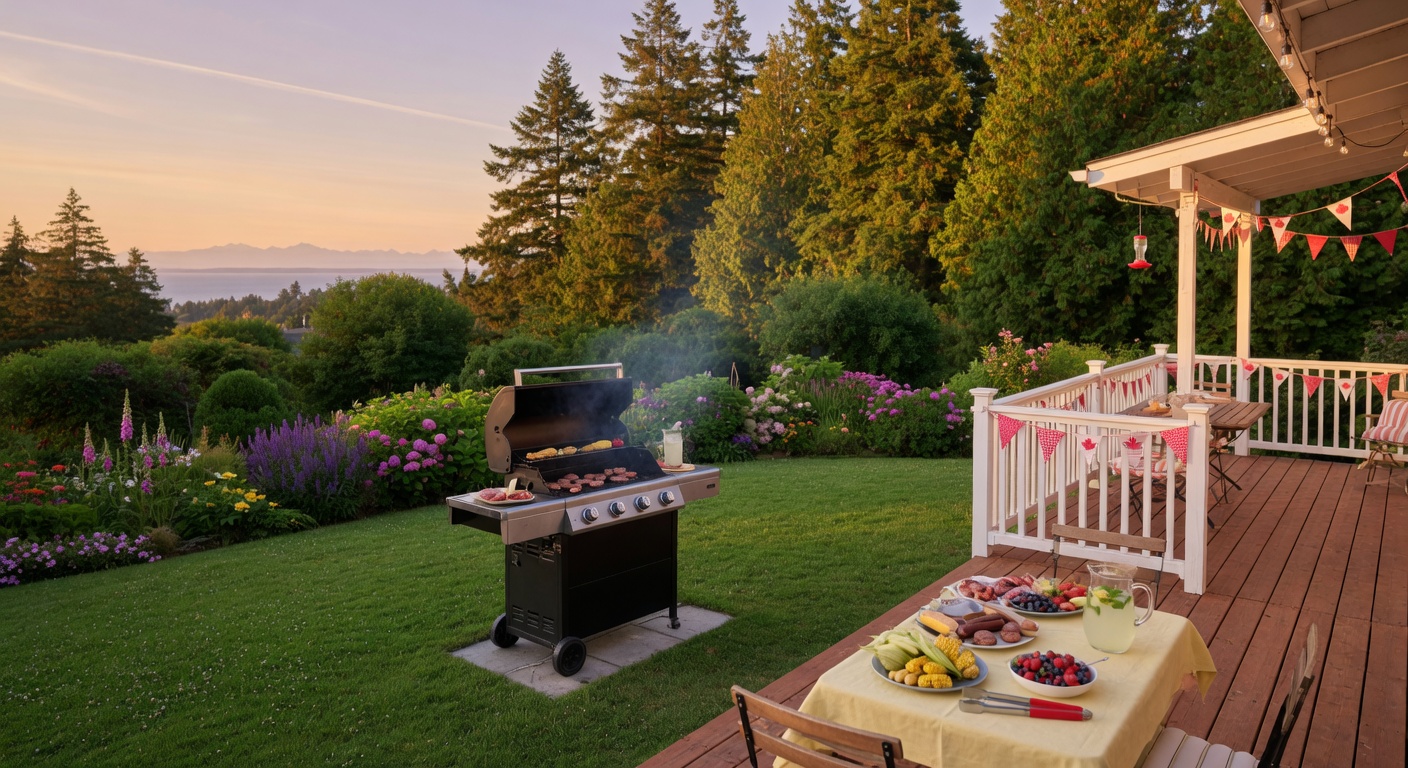 Canada Day Special
Canada Day & BBQ Safety: The Saga of the Careless Corn Cob
A must-read Summer & Canada Day dog safety guide from Anna and Perry. Learn from Ziggy's terrifying corn cob emergency and get practical safety tips for your next Victoria backyard barbecue.
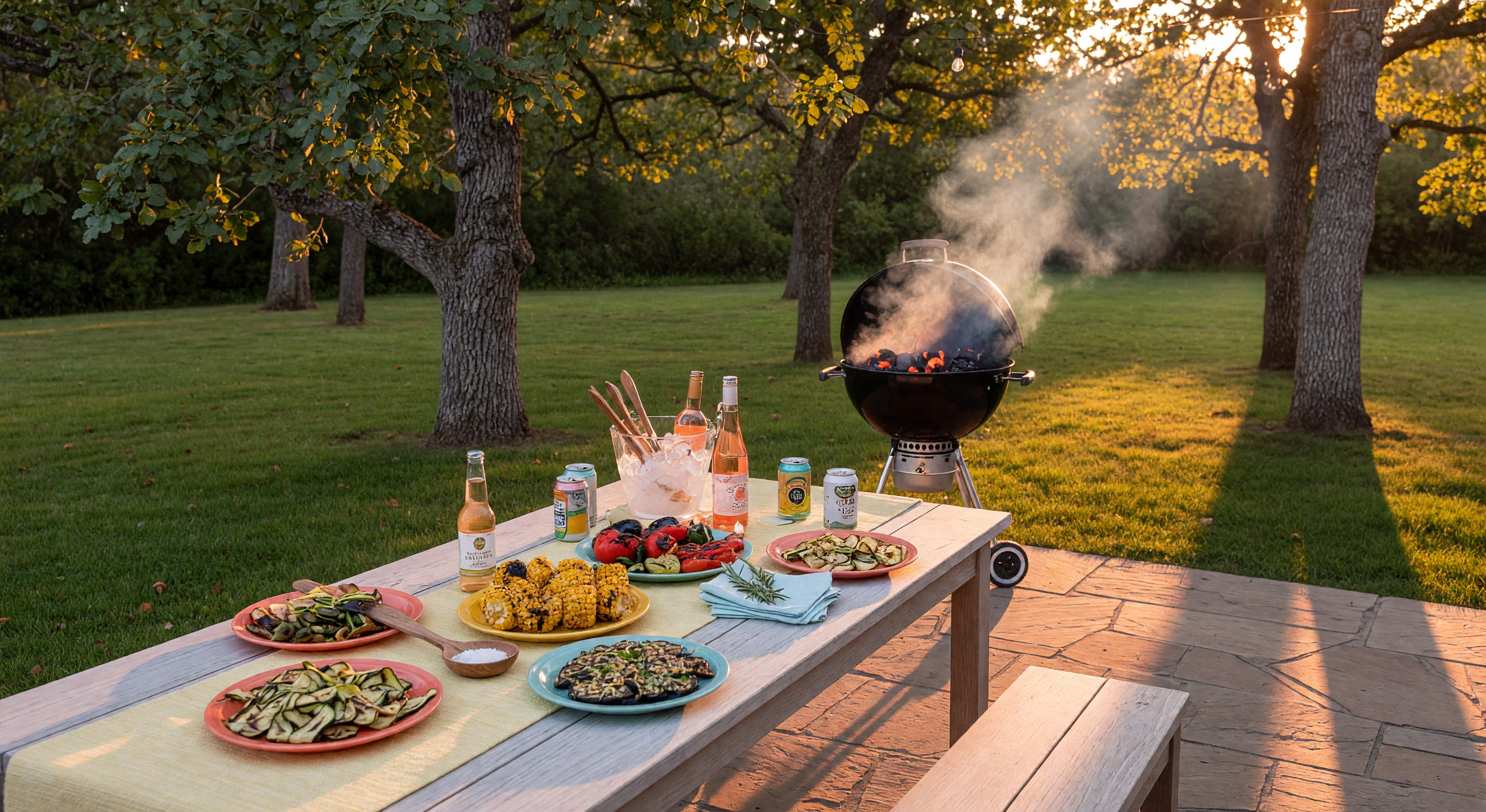 Must Read
Keeping Your Pup Safe This Barbecue Season: Lessons from Ziggy’s Great Corn Cob Caper
A cautionary backyard barbecue tale from Anna and Perry. Learn why corn cobs, table scraps, and grills require maximum vigilance from Victoria dog families.
What's inside this guide?
Everything a dog owner in Greater Victoria needs to know. From 53 curated dog-friendly patios to 15+ off-leash parks and 7 beaches with precise rules, discover the capital curated beautifully.
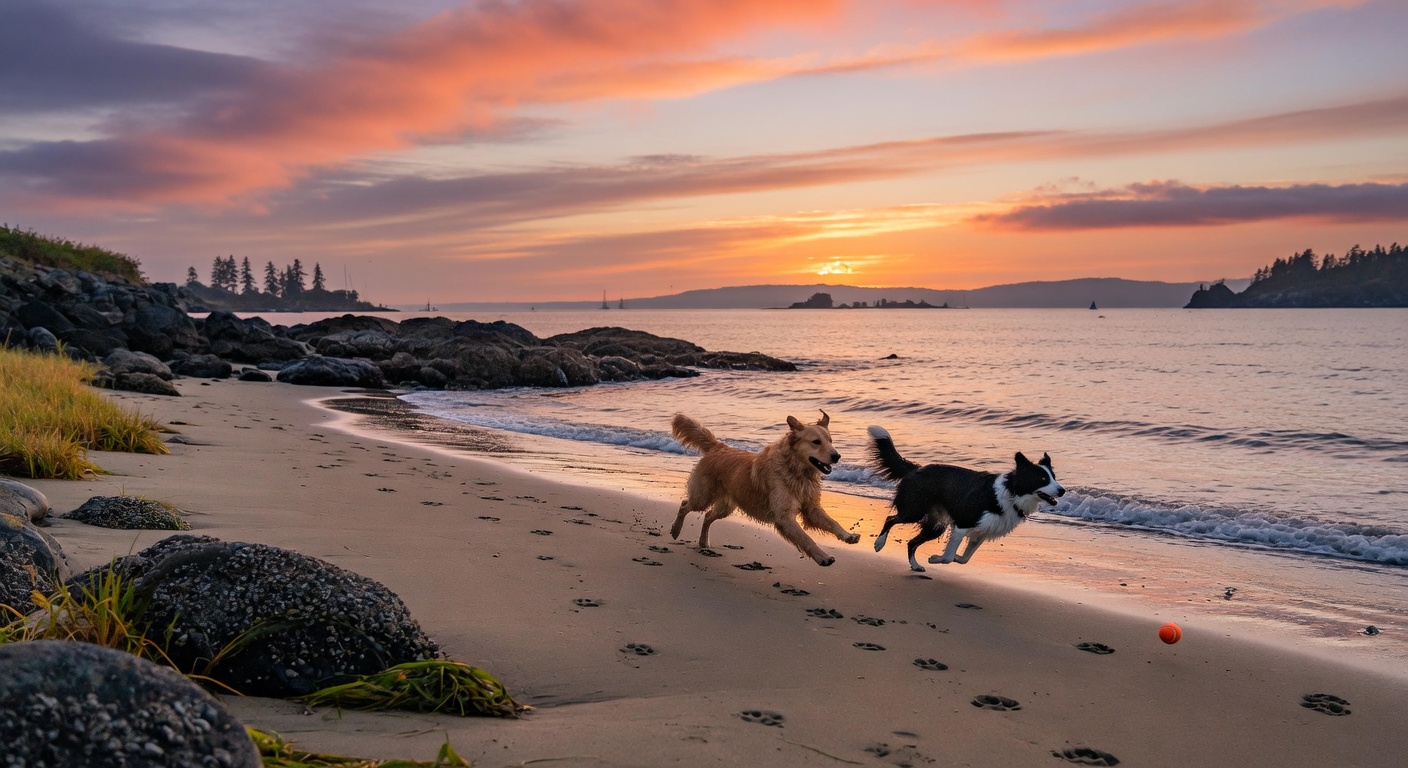
Dog-Friendly Patios
53 curated patios where your dog can settle in beside you, from waterfront brewpubs to farm-to-table bistros.
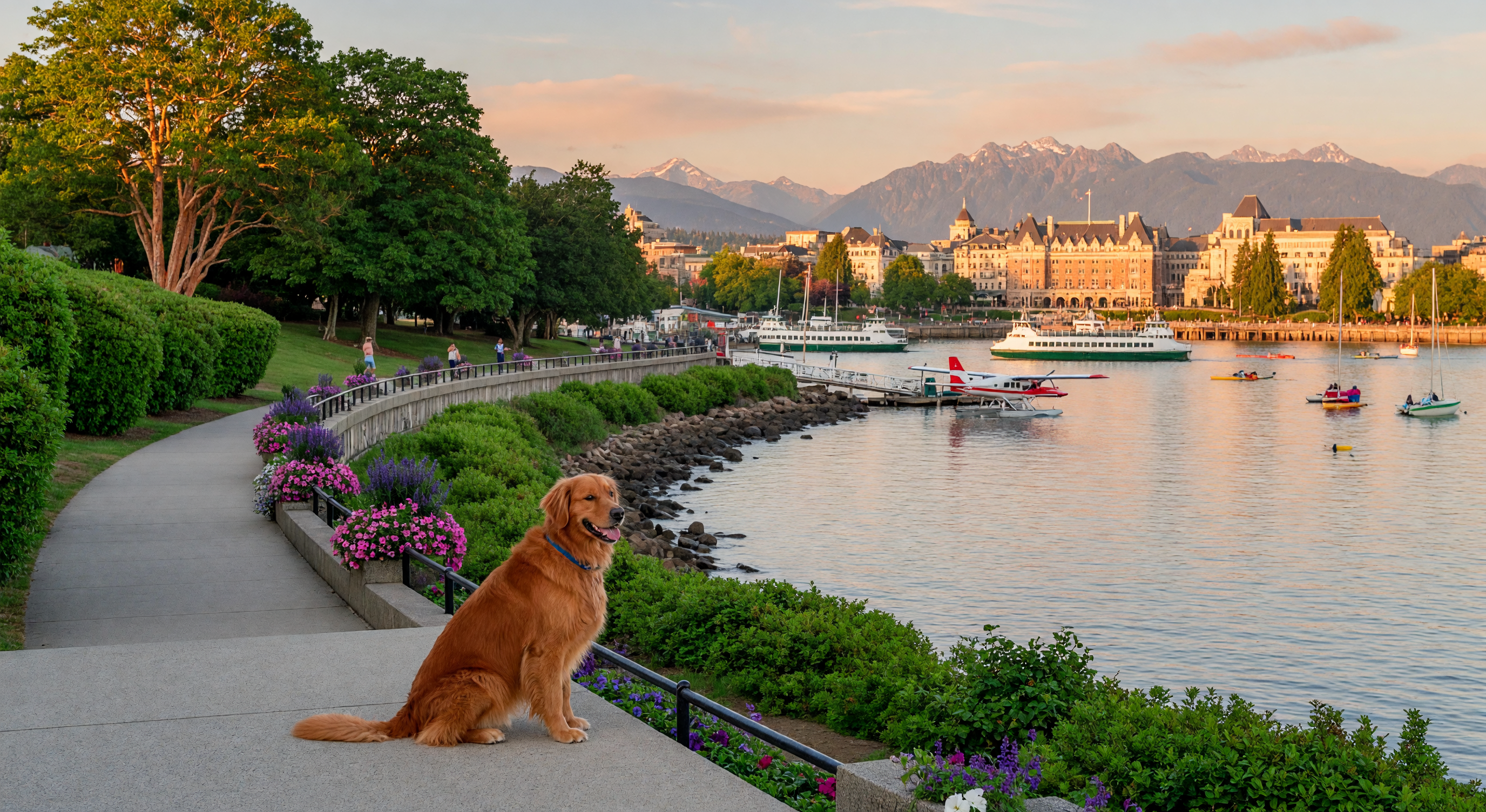
Off-Leash Parks
15+ off-leash zones across 7 municipalities including Victoria, Saanich, Esquimalt, and View Royal, fenced fields, forest trails, and ocean-side meadows.
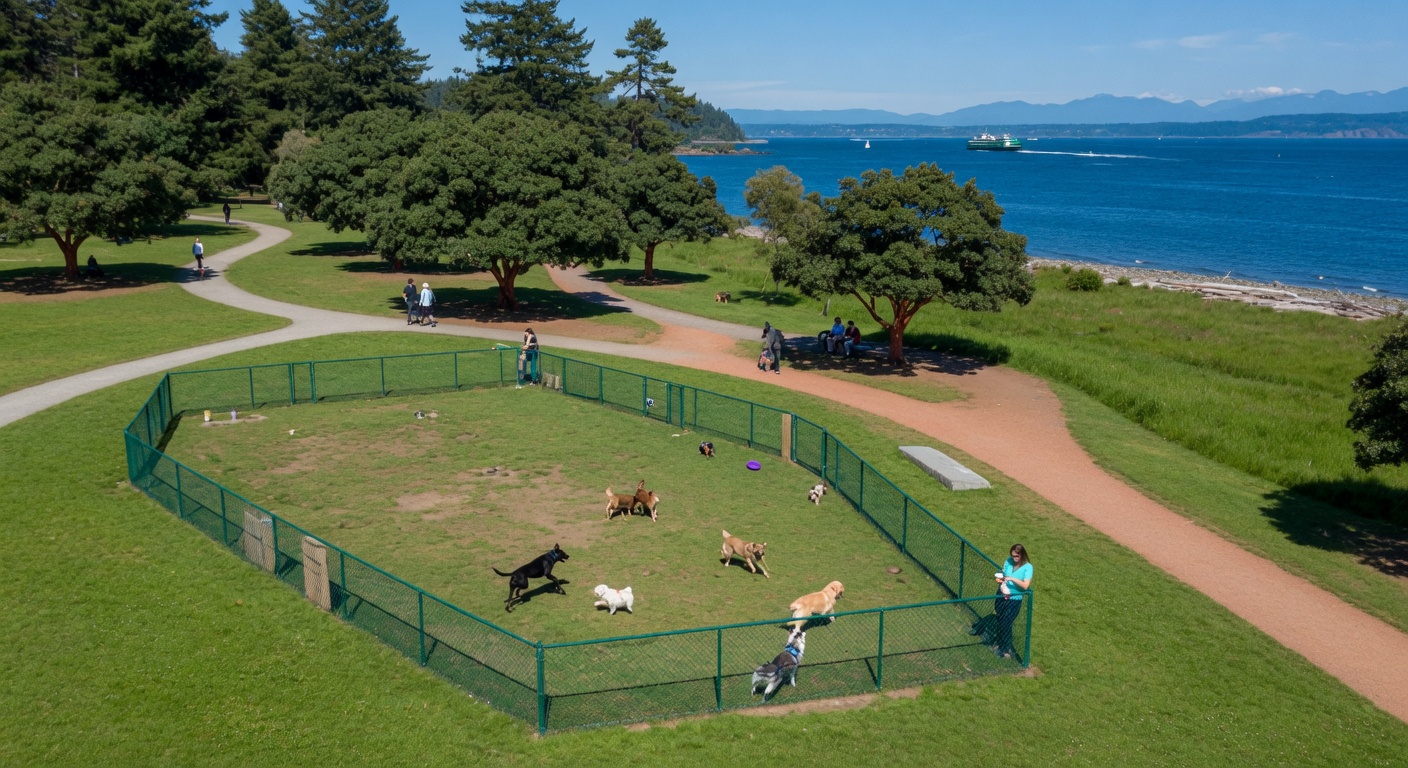
Beach Access
7 dog-friendly beaches with year-round and seasonal access rules, plus the exact dates when leash restrictions kick in.
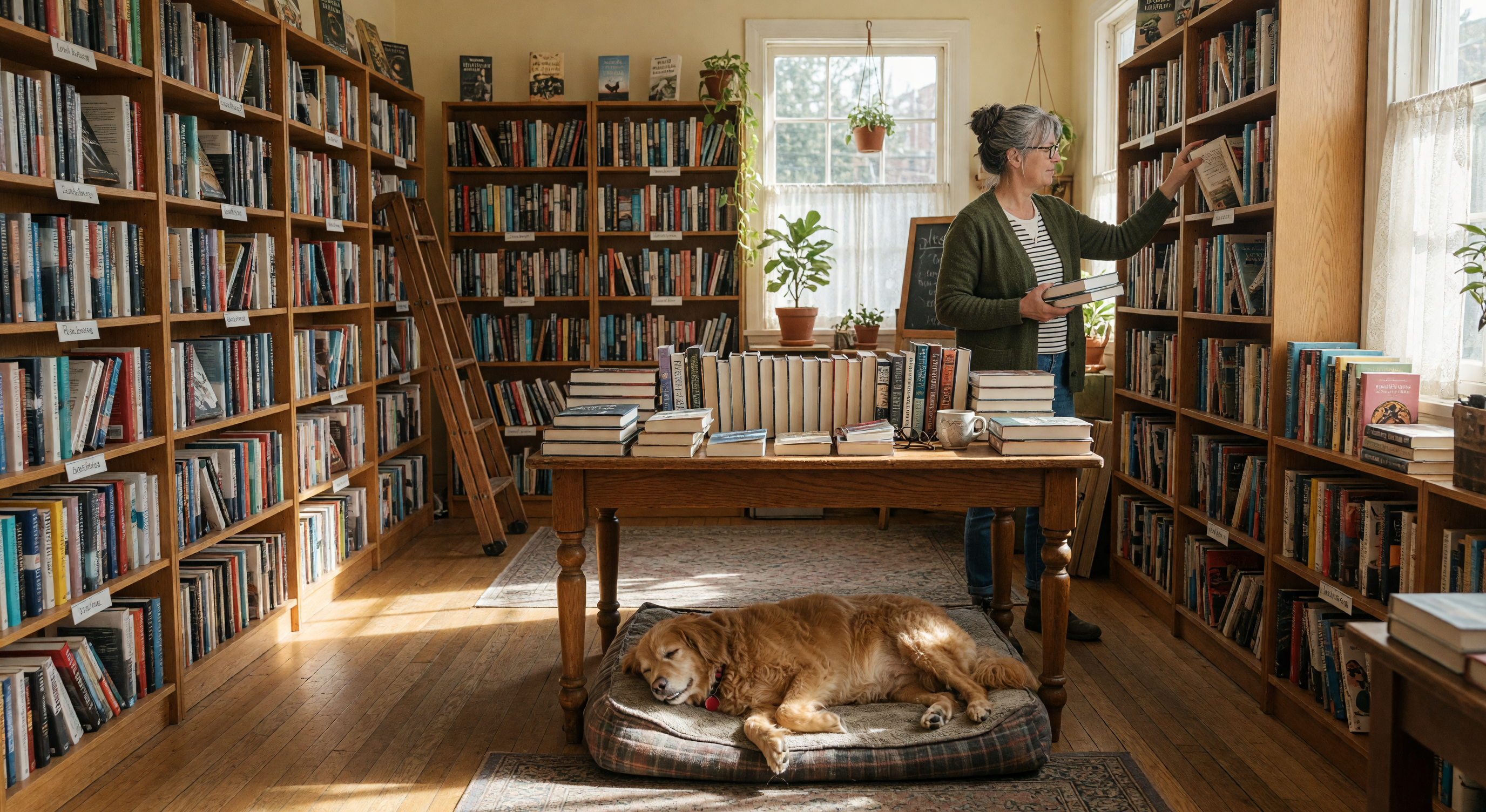
Indoor Errands & Shopping
15+ certified bookstores, nurseries, banks, and boutiques where your leashed dog is warmly welcomed indoors.
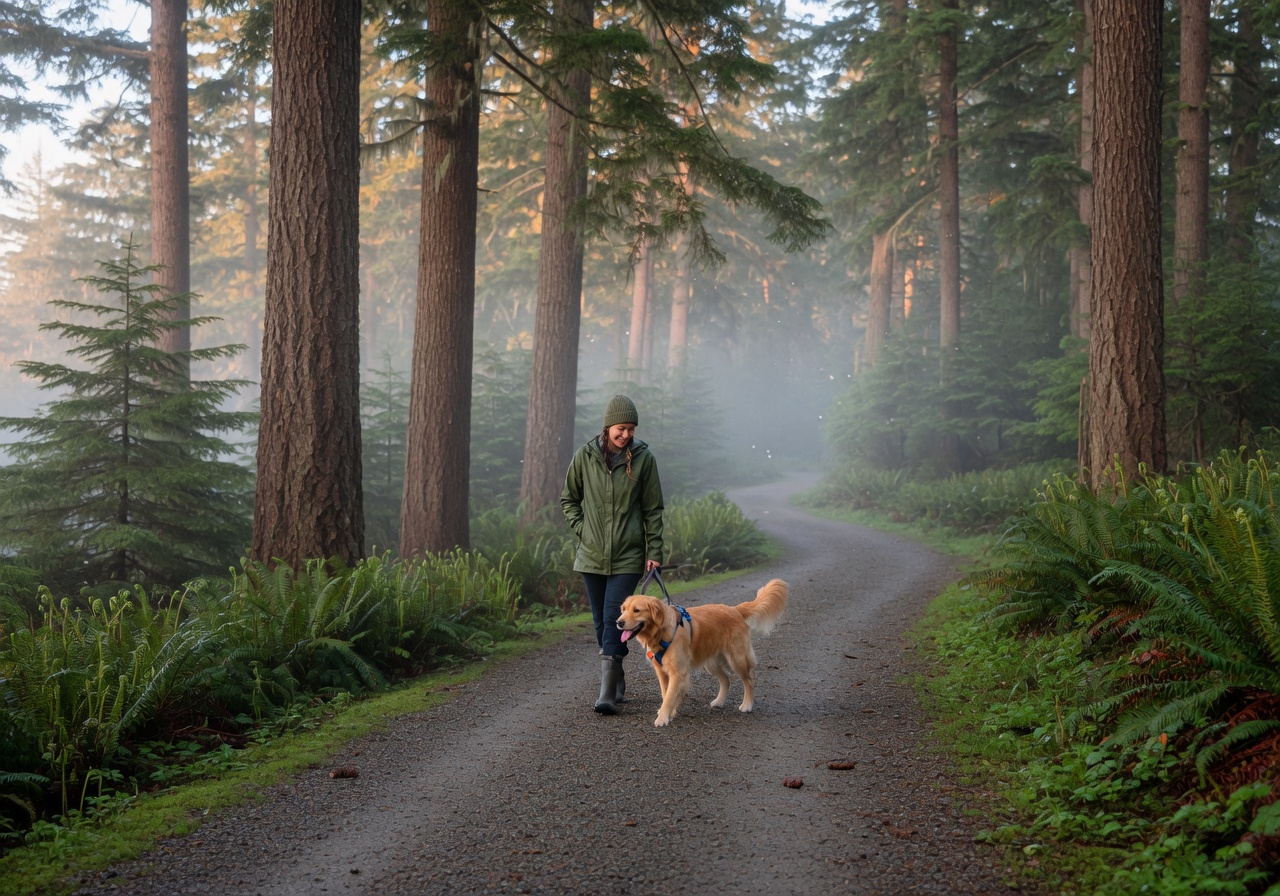
Dog-Friendly Neighbourhoods
12 neighbourhood profiles for dog owners relocating to Greater Victoria, parks, trails, beaches, and lifestyle notes for each area.
Explore by Municipal Region
Greater Victoria spans 11 unique municipalities. Click on any of the core regions below to explore key dog landmarks, specific local beach access rules, and current municipal bylaws.
Victoria
The Urban Hub
"The capital city offers a perfect blend of historic architecture, bustling waterfronts, and top-tier dog hospitality centered around downtown, Fairfield, and James Bay."
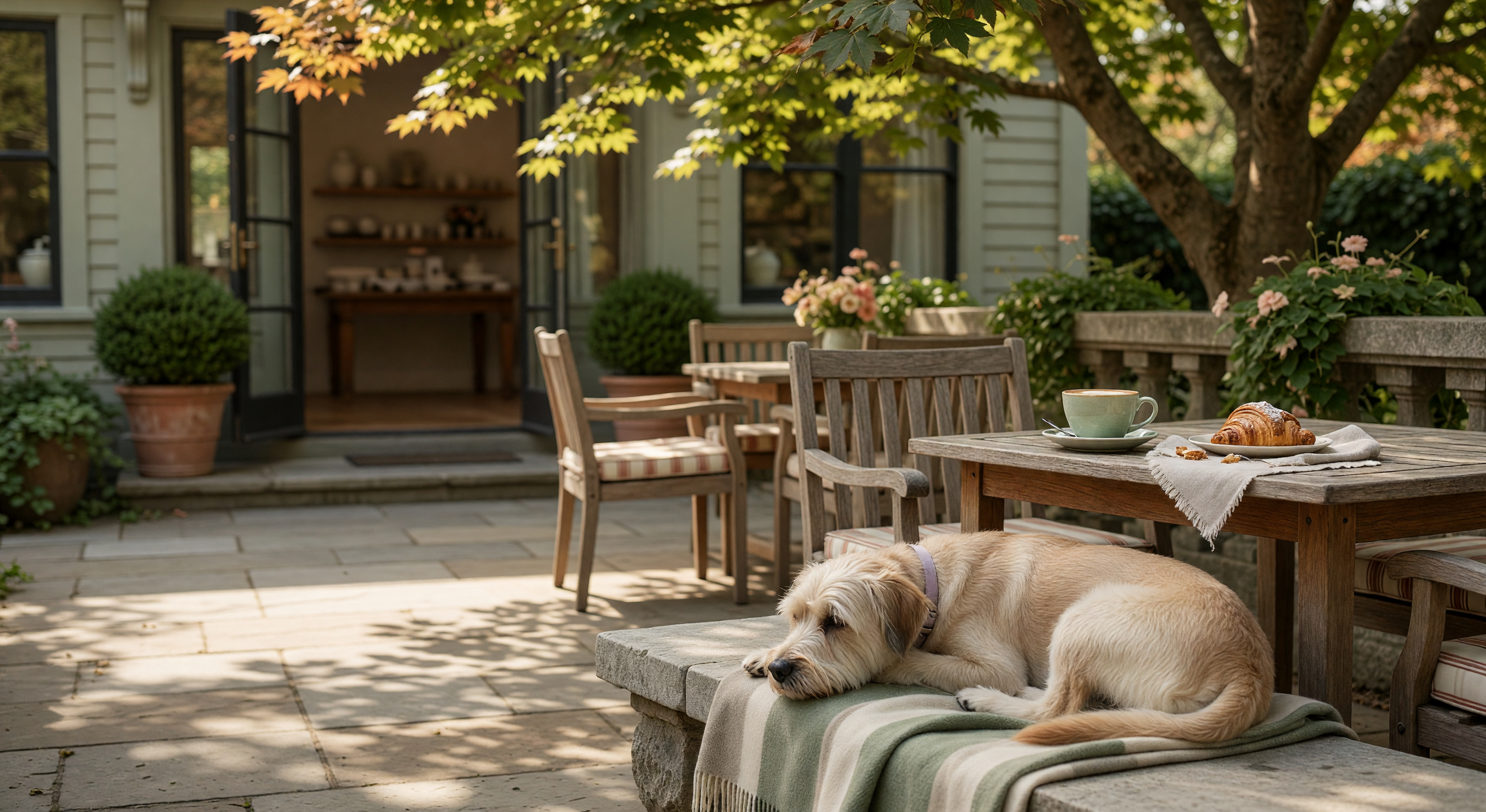
Living beautiful,
with your canine.
In Victoria, dogs aren’t just welcome; they are an integral part of the premium West Coast lifestyle. From seaside boardwalk strolls to craft espresso dates, align your pup's routine with our classic boutique living.
Off-Leash Beaches
Explore 7 designated coastlines. Run freely over sand and pebble beaches with panoramic Olympic Mountain horizons.
Forest Hikes
Ascend towering rainforest trails under ancient Douglas firs. Experience crisp Pacific-fresh air at Mount Douglas or Cuthbert Holmes.
Coffee with Pups
Relax on 53 premium certified cafe and craft brew patios spanning Victoria, Saanich, and Oak Bay.
Dog-Friendly Shops
Stroll through Chinatown, Fernwood, and Sidney boutique retail stores with welcoming treats ready at the door.
Verifiably Dog-Friendly Dining Directory
Explore Greater Victoria's premier culinary spots where four-legged diners are actively welcomed on heated outdoor patios. From courtyard beer yards at Whistle Buoy Brewing Co. to waterfront fire pits at Glo Restaurant + Lounge, find the perfect spot to dine with your pup.
Whistle Buoy Brewing Co.
Spacious patio seating and outdoor beer yard in historic Market Square. Highly accommodating for large breeds with overhead sail covers and intense heaters.
Pups on leash are highly welcomed. Staff immediately deliver dedicated cold water bowls and premium local treats, creating a highly relaxed and friendly environment.
Glo Restaurant + Lounge
Sleek, modern, and highly spacious waterfront patio seating right on the Gorge waterway. Equipped with cozy gas fire pits, glass wind screens, and gorgeous vistas.
Leashed dogs are welcomed at designated tables. Pet-loving waiters promptly serve customized fresh-water bowls and delicious gourmet dog treats.
Tug Eatery & Bar
Fabulous, wind-sheltered wooden-deck patio right on the harbor overlooking Mermaid Wharf, backed by lovely landscaping and shady table umbrellas.
Pets allowed at all exterior patio tables. Dedicated hydration stations and custom spent-grain dog treats keep tails wagging after a coast walkway stroll.
Spinnakers Gastro Brewpub
Superb waterfront patios looking directly onto the Inner Harbour waterway path. Offers heated upper-deck framing and exceptional sea-breeze sun.
Pioneers of local pet-hospitality. Your pup is greeted with personal water bowls and handmade dog biscuits crafted on-site from spent craft grains.
The Beagle Pub
Cozy, fully shaded and strongly heated street-side terrace along Cook Street Village walk. Lively sidewalk action perfect for relaxed neighborhood walks.
The absolute gold-standard of comfort. Provides premium orthopedic memory-foam dog beds directly on the deck and immediate stoneware water bowls.
Seek the full 50-Patio Directory?
We also track the Brass Monkey Taproom (famous for its dedicated gourmet Dog Menu), Driftwood Brewery (for massive breeds), Boomtown Burritos' sunny yard, and more.
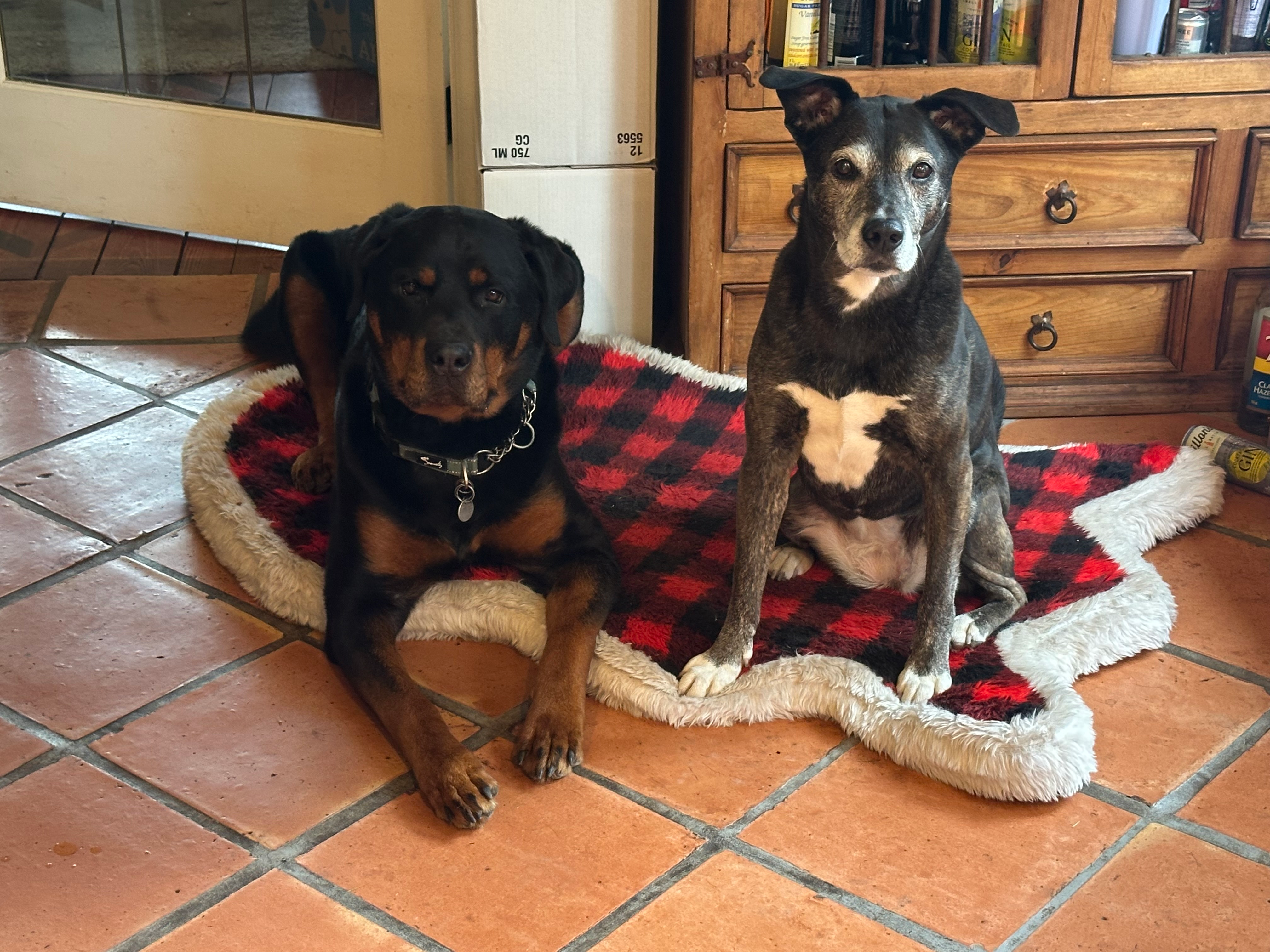
Who are the Chief Canines behind this guide?
Every recommendation in this guide is curated through local research, community recommendations, and insights from dog owners across Greater Victoria. Ziggy, a 6-year-old Rottweiler, and Lady Sahara, a 13-year-old Lab mix, serve as our Chief Canines, offering a dog's-eye perspective on shade, water bowls, terrain, and senior dog friendliness.
This guide covers 15+ off-leash parks, 53 dog-friendly patios, and 7 beaches across Greater Victoria, with detailed notes on shade, water access, terrain, and staff friendliness. Every spot is flagged by the Chief Canines, so if Ziggy and Lady Sahara give a spot two paws up, you know it is worth the trip.
Indoor Errands & Everyday Retail Guide
Don't let a rainy Victoria day stall your plans. These local nurseries, bookstores, home improvement centers, and credit unions welcome leashed dogs indoors with open arms.
Garden Centres & Nurseries
Aromatic & Covered LoopsThese local nursery grounds feature spacious, covered glass greenhouses, outdoor cedar-scented rows, and dog-obsessed staff ready with treats.
Gardenworks (Oak Bay & Saanich)
How to navigate: Leashed dogs are welcomed inside the airy greenhouses and boutiques. Stroll wide gravel alleys and tiled aisles. Staff carry gourmet biscuits at checkouts!
Elk Lake Garden Centre
How to navigate: The ideal quick stop when combined with an active jog around the Elk Lake trails. Features quiet country yards. Thirsty dogs get fresh, cool country well-water bowls.
Russell Nursery (North Saanich)
How to navigate: Walk peaceful, serene dirt-and-gravel paths amidst tall Peninsula maple canopies. Highly recommended for mature, senior, or nervous dogs due to the quiet pace.
Landmark Bookstores
Literary Coziness & HardwoodsVictoria takes reading and pet hospitality seriously. These historic independent book sanctuaries welcome leashed companions indoors.
Russell Books (Fort St)
How to navigate: Canada's largest used bookstore is completely open to leashed pets. Walk the wide wooden stairwells. Keep leashes compact to navigate cozy, tall bookshelves gracefully.
Munro's Books (Government St)
How to navigate: Beautiful historic bank building with grand, breezy ceilings and cool, smooth hardwood floors. A elegant, quiet setting that makes downtown strolling highly pleasant.
Bolen Books (Hillside Mall)
How to navigate: Walk directly through their street-facing exterior door on Hillside Ave (mall corridors exclude non-service pets). Highly bright, wide, and climate-controlled.
Home & Outdoors
Spacious Warehouses & GearExcellent destinations for taking structured walks indoors when Victoria rains hit. Always check local manager guidelines.
RONA / RONA+ (Tillicum & Langford)
How to navigate: Excellent, gigantic paved concrete aisles. Highly recommended for structured rainy-day loose leash training. Many floor workers keep treats in apron pockets!
Canadian Tire (Saanich Plaza & Langford)
How to navigate: These large, localized store outlets are highly welcoming. Stroll wide tiled corridors. Try to visit during quieter off-peak evening hours for maximum comfort.
Valhalla Pure Outfitters (Store St)
How to navigate: Historic brick storefront near the harbour. Pups are welcome to stroll the aisles and fully try on harnesses, booties, and floating lifejackets in-store!
Everyday Banking
Credit Union Lounges & TreatsSkip tying your dog up outside. Complete your everyday banking on-leash in full warmth inside these welcoming local credit unions.
Vancity Credit Union (Fort St & Langford)
How to navigate: Cooperative community values extend directly to dogs. Walk inside spacious, polished glass lobbies. Pups can wait calmly by your side while tellers supply biscuits.
Coast Capital Savings (Douglas St & Shelbourne)
How to navigate: Highly neighborhood-oriented branches. Dogs are met with massive warmth. Counter clerks keep premium liver treats right next to deposit slips at teller wickets!
What are the bylaws every dog owner
in Greater Victoria should know?
Leash Laws
Dogs must be leashed in all public spaces unless signage indicates an off-leash area. Saanich has banned retractable leashes in all municipal parks, with fines of $100 to $150. Use a standard fixed-length leash.
Seasonal Restrictions
Many beaches enforce leash requirements from June 1 to September 15 to protect nesting birds along the Victoria Migratory Bird Sanctuary. See the full month-by-month breakdown.
Poop & Scoop
All 6+ municipalities in Greater Victoria require you to pick up after your dog. Fines range from $100 to $150 depending on the municipality. Carry bags at all times, every time.
Off-Leash Zones
Esquimalt maintains 6 leash-optional locations, including 1 year-round beach. View Royal has 5 designated areas, and Saanich has 3+ off-leash zones including Mount Douglas Park. Check signage before letting your dog off-leash.
Explore everything Greater Victoria offers
Beyond patios, parks, and beaches, we cover trails, seasonal rules, neighbourhood walks, and relocation tips for dog owners.
Dog-Friendly Trails
9 trails from the Galloping Goose to Mount Douglas summit.
Dog Walks by Area
24 walks across 12 neighbourhoods with distance and terrain.
Seasonal Rules
Beach restrictions, Oak Bay off-leash dates, and month-by-month guide.
Moving to Victoria
Relocation guide with municipality comparisons and rental tips.
"We kept getting the same questions from fellow dog owners: where can I bring my dog? Which beaches allow off-leash access? What are the actual rules?"
That's why the Happy Homes Team built this guide, to be the resource they wished existed when Ziggy and Lady Sahara first joined the family.
Happy Homes Team - eXp Realty - Victoria, BC Real Estate TeamContinue Exploring Dog-Friendly Victoria
Brought to you by Happy Homes Team - eXp Realty - Victoria, BC Real Estate Team. We combine local real estate strategy with deeply researched community insights. Every patio, park, and beach in this guide is curated from local research, community recommendations, and dog-owner experiences. This guide covers 53 patios, 15+ off-leash parks, and 7 beaches across 6+ municipalities.
Last updated: June 2, 2026
Know a dog-friendly spot we missed?
Help us build the most complete dog-friendly guide in Greater Victoria. We currently list 53 patios, 15+ off-leash parks, and 7 beaches, and we update this guide regularly based on community feedback. Share your favourite hidden gem, report an outdated listing, or let us know about new dog-friendly spots across Victoria, Saanich, Esquimalt, Langford, or View Royal.
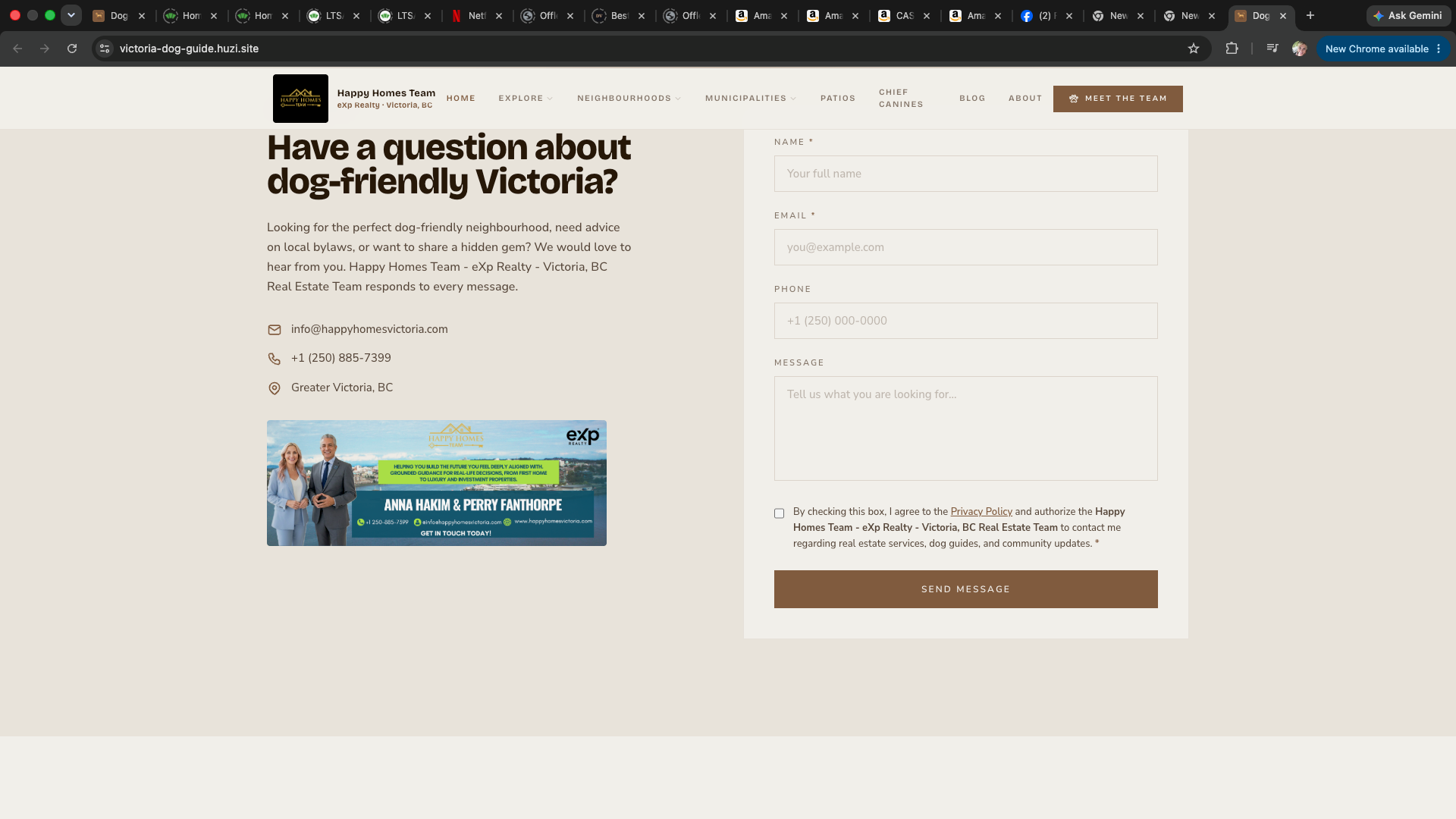
Have a question about dog-friendly Victoria?
Looking for the perfect dog-friendly neighbourhood, need advice on local bylaws, or want to share a hidden gem? We would love to hear from you. Happy Homes Team - eXp Realty - Victoria, BC Real Estate Team responds to every message.
Message Sent Successfully!
Thank you for reaching out. The Happy Homes Team - eXp Realty - Victoria, BC Real Estate Team will get back to you shortly.
Something went wrong. Please try again or email us directly at info@happyhomesvictoria.com.